

Tuberculosis: What Every Filipino Needs to Know to Stay Protected
World Tuberculosis Day is more than a date on the calendar; it’s a timely reminder that Tuberculosis (TB) remains a serious health threat that demands our attention. Despite being preventable and curable, TB continues to affect many lives, making awareness and early action crucial. Understanding how it spreads, recognizing the warning signs, and knowing how to protect yourself can make all the difference.
By prioritizing your health today, you’re not only protecting yourself but also helping to break the chain of transmission in your community. Stay informed and schedule regular checkups at the Care Center Clinic, a trusted healthcare provider in the Philippines, to ensure you are staying ahead of potential health risks.
Tuberculosis in the Philippines
According to the March 23, 2026 report by DZRH, tuberculosis cases in the Philippines, especially in Metro Manila, have surged to over 102,000, prompting concern from the Department of Health (DOH). Health officials believe pandemic lockdowns may have contributed to the increase, as people stayed indoors without masks, allowing TB to spread within households.
Department of Health (DOH) Spokesperson Usec. Albert Domingo said that TB is not transmitted through sharing utensils or touching surfaces. It is a disease that spreads through the air, making it highly transmissible and in certain situations, even more contagious than COVID-19.
He added that after one to two weeks of proper medication, most patients are no longer contagious. However, patients must complete a continuous six-month course of medication to fully recover and prevent drug resistance.
What is Tuberculosis?
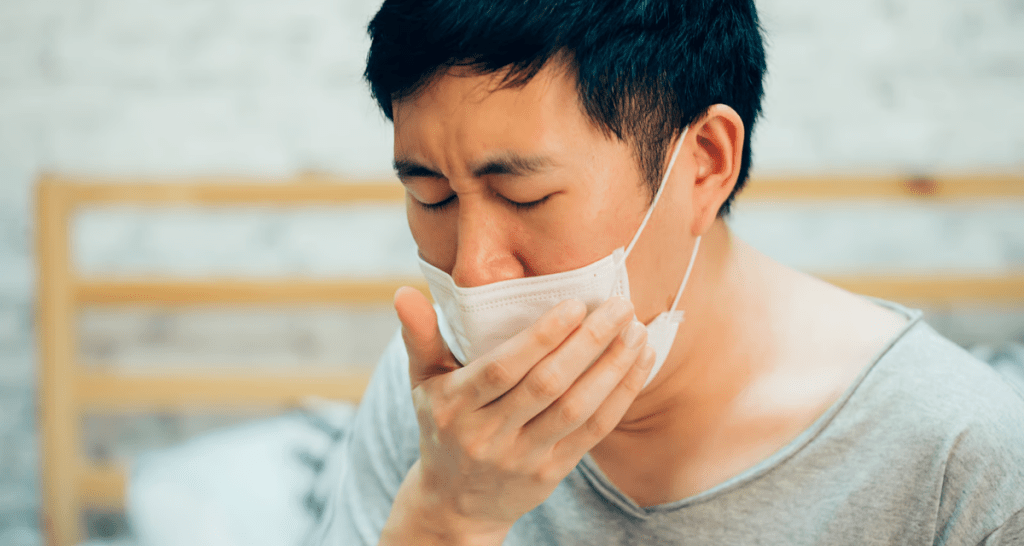
Tuberculosis (TB) is an infection caused by the bacteria Mycobacterium Tuberculosis that attacks the lungs. It spreads easily through the air when an infected person coughs, sneezes, or spits, meaning someone only needs to breathe in a tiny amount of the bacteria to catch it.
While tuberculosis is commonly associated with the lungs, it can also spread to other organs, including the brain, kidneys, or spine. In some cases, it can even affect multiple areas of the body simultaneously, such as the lungs and lymph nodes.
Not everyone who carries the TB bacteria gets sick. In fact, TB has two stages. The first is inactive (latent) TB, where the bacteria stay in the body but don’t cause symptoms and cannot be passed on to others. The second is active TB disease, where the bacteria multiply, cause symptoms, and can be spread to other people.
Despite the seriousness of the disease, the DOH assures the public that TB is 100% curable. He advises anyone experiencing symptoms to consult a healthcare professional.
More Facts about Tuberculosis
World Tuberculosis Day is observed every March 24 to commemorate the day Dr. Robert Koch discovered the bacteria that cause TB in 1882. This breakthrough paved the way for the development of the life-saving treatments we rely on today.
TB is not a modern disease but has been part of human history for thousands of years. Evidence of TB dates back around 9,000 years, when archaeologists discovered traces of the disease in the remains of a mother and child in Atlit Yam, an ancient city submerged beneath the Mediterranean Sea.
Historical records also show that TB was present in early civilizations in India and China as far back as 3,000 years ago. By the time it reached Europe and the United States between the 1600s and 1800s, it had become one of the deadliest diseases of its time, responsible for nearly 25% of all deaths.
Its Symptoms and Treatment
Detecting early signs of TB not only decreases the risk of invasive treatment but it also reduces medical costs. Some of the symptoms of TB include:
- Fatigue
- Chest pain
- Weight Loss
- Night sweats
- Weakness
- Fever
- Prolonged cough
It’s important to know that the symptoms people experience vary depending on which body part is affected. The symptoms can develop slowly and can go unnoticed for months, giving the infection time to spread to others before a person even realizes they are sick.
The good news is that TB is curable with proper treatment. Most patients follow a standard six-month course of medication, typically involving a combination of antibiotics prescribed by a doctor to clear the infection.
Preventing Tuberculosis
Making prevention a priority is the best way to manage any health risk. By scheduling a visit to the Care Center Clinic, a trusted PhilHealth Yakap-accredited facility, you can stay ahead of diseases like TB.
Healthline listed tips for preventing TB disease:
- Limit close contact with people who have active TB, especially in enclosed or poorly ventilated spaces.
- Keep your body strong by eating nutritious meals and exercising regularly.
- Practice good hygiene, including regularly washing hands and covering your mouth when coughing or sneezing.
- Vaccination can also help protect against TB. Currently, the only vaccine available is the Bacillus Calmette-Guérin (BCG) vaccine. However, it may not be recommended for individuals with weakened immune systems, so it’s best to consult a healthcare provider first.
Bottomline
Tuberculosis becomes dangerous when it’s overlooked, but it’s both preventable and treatable with the right steps. Simple habits like covering your cough, eating well, recognizing early symptoms, and scheduling regular checkups can go a long way in protecting your health, reducing long-term medical costs, and building a healthier lifestyle.
FREQUENTLY ASKED QUESTIONS
1. What is Tuberculosis?
Tuberculosis (TB) is a disease caused by bacteria that usually attacks the lungs, but it can also affect your brain, kidneys, or spine.
2. How does TB spread?
Tuberculosis is passed from person to person through the air. When people with active TB in the lungs cough, sneeze, or even spit, they release tiny particles carrying the bacteria. If others breathe in these particles, they can become infected.
3. What are the common symptoms of TB?
The most common signs include a cough that lasts a long time, chest pain, fatigue, unexplained weight loss, night sweats, and fever.
4. Why is it important to catch it early?
Detecting TB early makes treatment easier, prevents the disease from spreading to other people, and reduces your medical costs.
5. Why is World Tuberculosis Day on March 24?
It commemorates the day in 1882 when Dr. Robert Koch discovered the bacteria that cause TB.