

The Importance of Timely Healthcare in Preventing Malaria in the Philippines
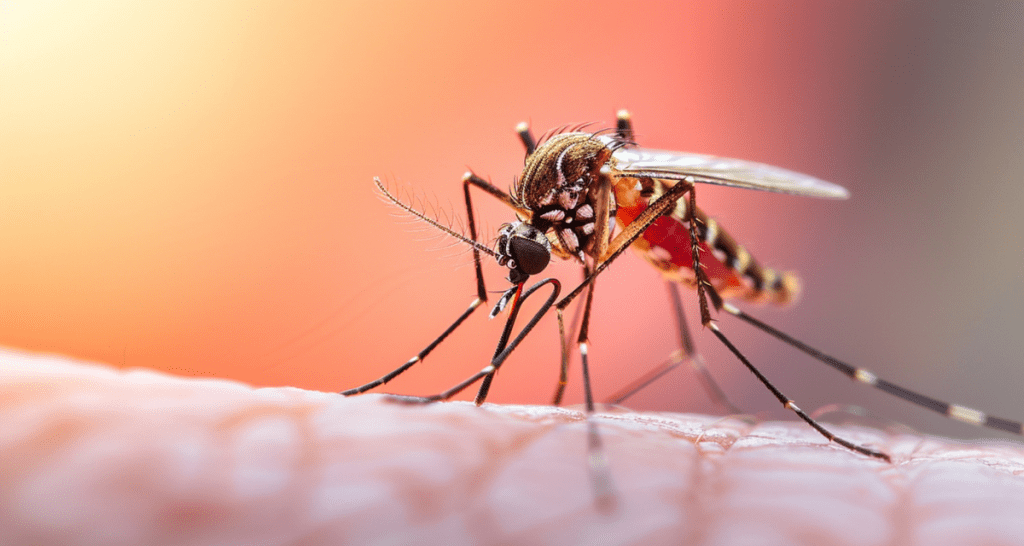
Mosquitoes may be tiny, but they can carry viruses and parasites, making them among the world’s most dangerous vectors. Warm and humid environments in the Philippines provide the perfect breeding ground for these vectors, making diseases like malaria a constant concern in the country.
As we observe World Malaria Day on April 25, we are reminded that awareness is our first line of safety measure. By staying informed and taking proactive steps, we can help control and eventually eradicate malaria across the Philippines.
What is Malaria
Malaria, as defined by the World Health Organization (WHO), is a life-threatening disease caused by a parasite. It is often transmitted through the bite of infected mosquitoes.
Since the parasite that causes malaria affects red blood cells, the disease can also be transmitted through exposure to infected blood. This may occur from a mother to her unborn child, through blood transfusions, or by sharing needles used for injections.
What are the Symptoms of Malaria
At first, malaria can appear like the flu, with symptoms such as fever, chills, and a nagging headache. Since these symptoms seem so familiar, it’s easy to brush them off and rely on home remedies instead of seeking proper care.
Severe symptoms of malaria may include:
- Shortness of breath
- Extreme weakness
- Impaired consciousness
- Repeated convulsions
- Yellowing of the skin and eyes
- Abnormal bleeding
- Dark-colored or bloody urine
Although malaria is both a curable and preventable disease, it should not be taken lightly. Without prompt care, malaria can worsen and lead to serious complications such as blocked blood flow to the brain, kidney failure, and liver damage.
When to See a Doctor
Anyone experiencing these symptoms should get urgent medical care. You can consult trusted doctors at the Care Center Clinic, a PhilHealth-accredited primary care provider, to get a proper diagnosis.
What is the Situation of Malaria in the Philippines
The Philippines has been working hard to eliminate malaria, with many provinces already declared malaria-free. In its September 2025 report, the Asia Pacific Malaria Elimination Network (APMEN) noted that 72 out of 82 provinces are now malaria-free, while 9 others have recorded no locally transmitted cases. This brings the Philippines closer to its goal of eliminating malaria by 2030.
How to Protect Yourself and Your Family From Malaria
Protecting yourself and your family from malaria doesn’t have to be complicated. Daily consistent habits at home and during travel can significantly reduce the risk of infection.
- Use mosquito repellents, especially at night.
- Sleep under mosquito nets when needed.
- Remove stagnant water around your home where mosquitoes can breed.
- Wear protective clothing, especially in high-risk areas.
- Take extra precautions if you’re traveling to malaria-prone places.
- Consult a doctor immediately if symptoms appear, especially after travel.
What is the Role of Accessible Healthcare in Handling Malaria
Putting an end to malaria is not just the responsibility of healthcare providers. It’s a shared effort between communities, families, and individuals.
One of the best ways to prevent serious complications from malaria is timely medical care. Early diagnosis and treatment can save lives. Do not wait for symptoms to become worse.
At the Care Center Clinic, a dependable primary healthcare provider in the Philippines, you can consult with a physician for a proper diagnosis and necessary treatment.
Bottomline
Malaria is a treatable and curable disease, but it can be fatal if ignored. Delaying treatment can lead to permanent brain, kidney, or liver damage. For Filipinos, protecting your family starts with three essential steps: staying informed, practicing protective habits, and seeking immediate medical care at the first sign of symptoms.
FREQUENTLY ASKED QUESTIONS
1. Are there still cases of malaria in the Philippines?
Yes. Even though many areas are free of malaria, some provinces still have malaria cases. Awareness and prevention are still crucial, especially when traveling to high-risk locations.
2. What are the initial symptoms of malaria?
Common symptoms include fever, chills, headache, and extreme tiredness. These may seem like the flu, so it’s important to see a doctor right away.
3. Can malaria be cured?
Yes. There are medications that can cure malaria. Early diagnosis and prompt treatment can reduce the likelihood of severe complications.
4. Who are the most susceptible individuals to contract malaria?
The risk is greater for individuals residing in or traveling to areas with high malaria cases, young children, pregnant women, and people with compromised immune systems.
5. Is malaria contagious?
No. Malaria does not spread through casual contact, such as touching or coughing. It is transmitted through the bite of an infected mosquito.