

Understanding the Difference Between Eczema and Psoriasis
Bianca, a mom, has been growing increasingly concerned about her teenage daughter’s skin. Whenever the temperature rises, and her daughter starts to sweat, her skin flares up. Bianca has watched her daughter mindlessly scratch the inside of her elbows and the back of her knees. Sometimes she scratches in her sleep and wakes up with broken skin.
For a teenager, appearance matters a lot, making it hard for her daughter to deal with skin problems. Bianca has asked family and friends for advice, but she keeps getting mixed opinions. Some believe it’s eczema, while others insist it’s psoriasis, leaving Bianca confused and wanting clarity on what is actually happening to her daughter’s skin.
Skin conditions can sometimes look alike, causing confusion. Instead of relying on guesses, it’s best to seek a professional opinion. You can get a proper diagnosis from dermatologists at the Care Center Clinic, the best one-stop clinic in the Philippines. They can accurately assess your skin concerns and guide you on the right care.
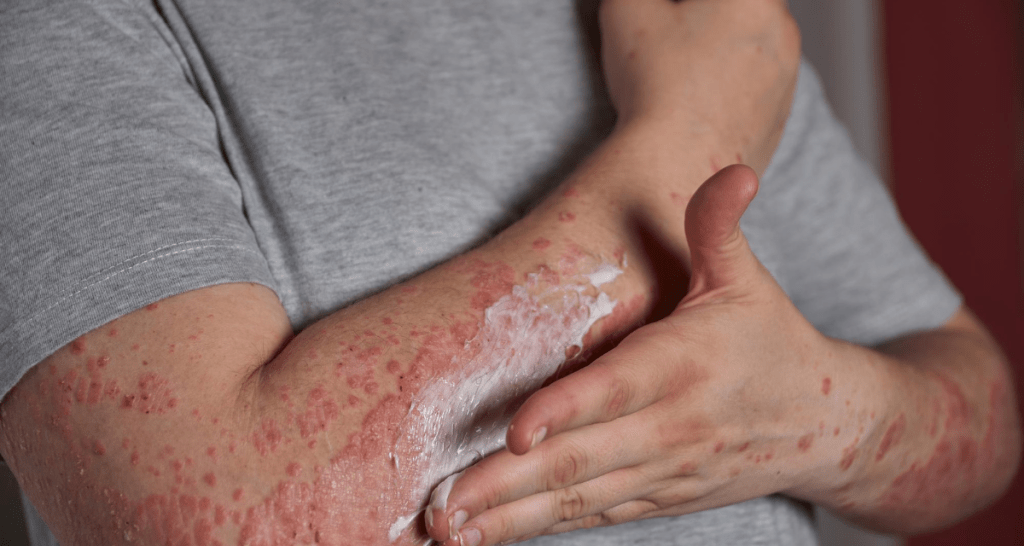
Understanding Eczema and Psoriasis
What is Eczema
Eczema, also known as atopic dermatitis, is a chronic condition that causes the skin to be red, dry, itchy, and inflamed. It commonly starts in childhood but can occur during adulthood.
What are the Causes of Eczema
Eczema is linked to:
- An overreactive immune system
- Genetics (family history of allergies, asthma, or eczema)
- Environmental triggers like dust, pollen, soaps, or stress
What are the Symptoms of Eczema
- Intense itching (often worse at night)
- Dry, cracked, or scaly skin
- Red or brownish patches
- Small, fluid-filled bumps that may leak or crust
Understanding Psoriasis
What is Psoriasis
Psoriasis is a chronic autoimmune disease that speeds up the life cycle of skin cells. Instead of shedding normally, skin cells build up quickly on the surface, forming thick patches. Psoriasis commonly affects the scalp, elbows, knees, and lower back.
What are the Causes of Psoriasis
- An autoimmune response
- Genetic factors
- Triggers such as stress, infections, cold weather, or skin injury
What are the Symptoms of Psoriasis
- Thick, raised patches of skin (plaques)
- Silvery-white scales
- Redness and inflammation
- Mild itching or burning
- Cracked skin that may bleed
What are the Differences Between Eczema and Psoriasis
FEATURE | ECZEMA | PSORIASIS |
Main Symptom | Severe itching | Thick, scaly plaques |
Skin Appearance | Dry, inflamed, sometimes oozing | Thick, red patches with silvery scales |
Skin Appearance | Often begins in childhood | Common in adults |
Cause | Immune reaction + triggers | Autoimmune disorder |
Common Areas | Skin folds (elbows, knees) | Elbows, knees, scalp |
Which One Is More Serious
Both conditions can range from mild to severe. According to Medical News Today, psoriasis may be linked to other health conditions like psoriatic arthritis, heart disease, and metabolic disorders. Eczema can greatly affect the quality of life due to intense itching and sleep disturbance. Psoriasis and eczema have no cure, but both can be managed with proper treatment.
What are the Treatment Options
For Eczema:
- Moisturizers
- Topical corticosteroids
- Antihistamines
- Avoiding triggers
For Psoriasis:
- Topical treatments
- Phototherapy (light therapy)
- Oral or injectable immune-modifying medications
Why You Shouldn’t Self-Medicate
Avoid treating skin conditions on your own, as many of them can look similar but require different care. Using the wrong medication may not only fail to improve the condition, but it can also make symptoms worse, cause irritation, or lead to unwanted side effects.
Visit the Care Center Clinic, where the best dermatologists in the Philippines can properly assess your skin and recommend the most suitable treatment based on your diagnosis. You may conveniently avail of prescribed medications, such as ointments, at VidaCure Pharmacy.
Bottomline
While eczema and psoriasis may appear alike at first glance, they are different skin conditions with unique causes and symptoms. Eczema is typically more itchy and linked to allergies, while psoriasis produces thicker, scaly patches caused by an autoimmune process. Understanding the difference helps ensure proper treatment and better skin care management.
FREQUENTLY ASKED QUESTIONS
1. What is the main difference between eczema and psoriasis?
Eczema causes red, itchy, dry, and inflamed skin, often triggered by allergies or environmental factors. Psoriasis leads to thick, raised, scaly patches due to an autoimmune response.
2. Are eczema and psoriasis contagious?
No, neither eczema nor psoriasis is contagious. They result from immune system responses and genetics, not infections.
3. Which areas of the body are commonly affected by these conditions?
Eczema commonly appears on areas such as inside the elbows, behind the knees, face, and hands. Psoriasis typically affects the scalp, elbows, knees, and lower back.
4. Can eczema and psoriasis be cured?
There is no permanent cure for either condition, but both can be managed effectively with proper treatments such as topical medications, moisturizers, phototherapy, and lifestyle adjustments.
5. Where can I get professional help for eczema or psoriasis?
Dermatologists at Care Center Clinic can assess and diagnose your skin condition. Prescribed treatments like ointments and other medications are conveniently available at VidaCure Pharmacy.