

Mental Health Then and Now: Stronger nga ba ang Batang 90s Compared to Today’s Youth?
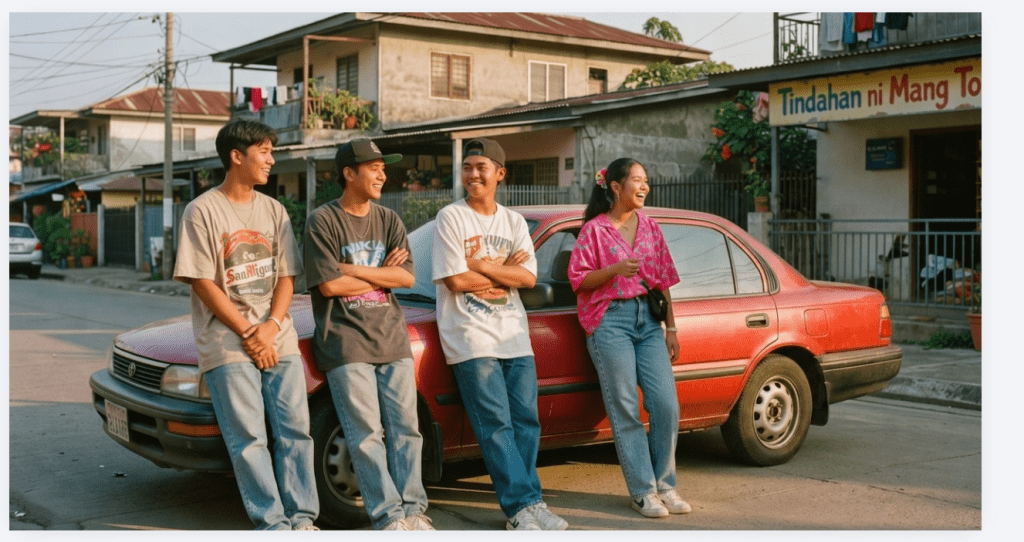
You’ve likely come across memes comparing “batang 90s” to today’s younger generation. They often depict 90s kids playing outdoor street games and dealing with cuts and bruises without much fuss, while today’s youth are shown as more sensitive, constantly online, and easily overwhelmed.
When it comes to mental health, “batang 90s” didn’t openly talk about their mental health struggles. When children expressed sadness, stress, or anxiety, it was often brushed off as “arte lang” or “papansin”. They were often expected to keep emotions private and solve problems on their own, building grit and independence. Does this make “batang 90s” more resilient than today’s youth? Not necessarily.
Today’s youth are growing up with a greater awareness of mental health. They’re more likely to talk about their feelings, set boundaries, and seek help when needed. Their resilience stems from self-awareness and open communication.
Debunking Mental Health Myths
Discussing mental health in the 90s was taboo and often equated to personal weakness. Filipinos rarely sought professional help because of shame and the need to preserve family reputation. This stigma gave rise to several mental health myths that continue to influence perceptions today:
Myth #1: KSP (Kulang sa Pansin) lang ‘yan.
In the 90s, emotional struggles were often treated as childish or attention-seeking behavior. When children opened up about feeling anxious, overwhelmed, or deeply sad, adults would casually brush it off, thinking it would quickly pass. This kind of reaction made it difficult for many young people to feel heard or understood, often resulting in suppression of feelings.
Fact:
According to Healthline, stress and anxiety are normal responses to everyday challenges. However, when they happen too often or start to feel overwhelming, they can begin to affect both your mental and physical health.
Over the years, mental health awareness has continued to grow. More young people are learning to express their emotions, and more adults are becoming open to listening without judgment.
Myth #2: Para lang sa may sira ng ulo ang therapy.
Seeking professional help used to be reserved for mental illness. Because of this belief, many people in the 90s chose to endure emotional struggles silently rather than risk being labelled as “crazy”.
Fact:
Therapy is a form of support for anyone experiencing emotional or psychological challenges. More Filipinos are now recognizing that talking to a professional is self-care and can provide coping strategies to manage life’s pressures.
The Care Center Clinic offers a wide range of healthcare services, including consultations with some of the best psychologists in the Philippines who can help you identify stressors and build healthy coping habits.
Myth #3: Mahina ang loob mo.
Admitting mental health struggles was often interpreted as weakness, pushing many people to hide their feelings. “Batang 90s” were often forced to “tough it out” even when they were already overwhelmed.
Fact:
Mental health challenges are not a measure of weakness. Anyone can experience stress, anxiety, or emotional difficulty. Today, being brave means embracing awareness and asking for support when needed.
Myth #4: Kulang lang sa dasal.
Mental health issues were sometimes linked to spiritual shortcomings. Filipinos experiencing anxiety or depression were often told to pray more to overcome their mental health problems.
Fact:
Prayer can be a source of comfort and strength, but it is not a substitute for treatment. Taking care of mental health is a combination of medical guidance and emotional support.
Mental Health Today
In this modern setting, the younger generation seems more vocal about their inner struggles. Mental health is now part of ordinary discussions, not just at home but also in schools, workplaces, and online spaces. In fact, many schools allow mental health breaks and provide better counseling services.
Bottomline
Resilience is not defined by the generation you belong to, but by how you understand and respond to challenges. While the “batang 90s” may have grown up in an era that demanded quiet endurance, today’s younger generation is growing up in a world that encourages open communication and awareness.
The Care Center Clinic, the best one-stop clinic in the Philippines, promotes the importance of both physical and mental well-being. If you’re feeling stressed or overwhelmed, our psychologists at the clinic are ready to provide professional guidance and guide you through your mental health journey.
FREQUENTLY ASKED QUESTIONS
1. Is it normal to feel stressed or anxious?
Yes. Stress and anxiety are normal responses to challenges, but when they become overwhelming or persistent, it may be time to seek support.
2. When should I consider seeing a psychologist?
You can seek help anytime you feel overwhelmed, emotionally drained, or unable to cope with daily life. The Care Center Clinic has licensed psychologists available to provide guidance and support.
3. Does going to therapy mean something is wrong with me?
No. Therapy is a proactive way to take care of your mental health. It can help you understand your emotions better and develop coping strategies.
4. Can prayer replace therapy or medical care?
Prayer can provide comfort and support, but it is not a substitute for medical care.
5. Where can I seek help for mental health concerns in the Philippines?
You can visit the Care Center Clinic, a trusted primary healthcare provider in the Philippines, where you can access a wide range of medical services, including consultations with some of the best psychologists in the Philippines.