

Psoriasis Explained: What Your Skin Is Trying to Tell You
Skin health isn’t just about how we look; it’s about how we feel inside our own bodies. When you live with psoriasis, even small daily moments can feel overwhelming. From the discomfort of an unexpected flare to hiding a new plaque, the impact goes far beyond skin deep.
Understanding your skin doesn’t have to be complicated. With the right guidance and care, you’re never alone.
This Psoriasis Action Month, the Care Center Clinic, the best one-stop clinic in the Philippines, is here to help you better understand your skin and take the right steps toward healthier skin. Our experienced dermatologists provide treatment plans tailored to your unique skin concerns to help you manage psoriasis with confidence.
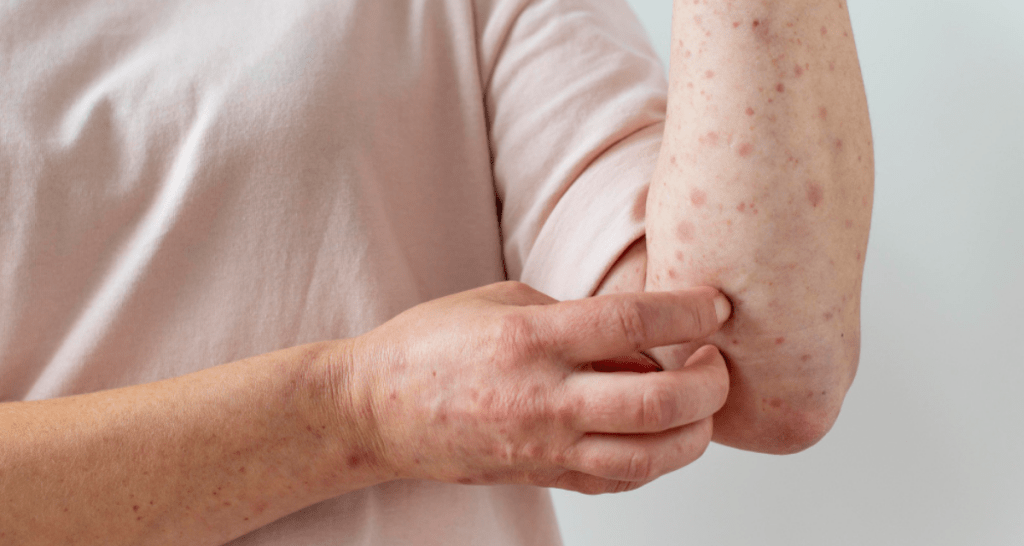
What is Psoriasis
According to Healthline, psoriasis occurs when an overactive immune system misinterprets healthy skin as a threat. Instead of protecting against bacteria and infection, immune cells called T cells attack the skin and trigger dramatic skin cell growth. As new cells rapidly multiply and push to the surface faster than normal, they pile up into raised, inflamed, and reddened plaques.
Contrary to common misconceptions, psoriasis is not contagious and cannot be passed from one person to another. While psoriasis has no known cure, there are medications that can help manage symptoms.
Symptoms to Watch Out For
Symptoms of psoriasis vary from person to person. You may not experience all of these signs, and rarer types of psoriasis can trigger completely different symptoms altogether.
- Inflamed patches of skin (flare-ups)
- Dry skin that results in cracking or bleeding
- Swollen joints
- Itchy, burning, and swollen sensation around the plaques
- Having pitted nails
Triggers of Psoriasis
Triggers vary from person to person and can change over time. Common factors that spark a flare-up include high stress, heavy alcohol use, and skin injuries like cuts, sunburns, or vaccines. Certain medications (such as lithium, antimalarials, and blood pressure drugs) as well as infections like strep throat can also cause the immune system to misfire and trigger an outbreak.
Treatment and Management
Psoriasis can be treated with topical treatments. Consult a dermatologist for an accurate diagnosis and a personalized treatment plan to help manage your symptoms safely and effectively.
Some of the topical treatments for psoriasis include:
- Steroid/Retinoid creams
- Salicylic acid
- Anthralin
- Vitamin D-based cream and ointment
- Coal Tar
Your doctor may also advise phototherapy to manage moderate to severe psoriasis when topical treatments aren’t enough. Phototherapy uses controlled UV light and laser wavelengths to treat psoriasis from the surface down. It helps by slowing cell growth, calming the immune system, and soothing irritated skin.
10 Ways to Manage Psoriasis
Managing psoriasis starts with small, consistent habits. Here are some tips that you can incorporate into your everyday routine to manage psoriasis:
- Moisturize Regularly. Keep skin hydrated using thick emollients, over-the-counter creams, or topical corticosteroids to reduce dryness and repair the skin barrier.
- Use Coal Tar Products. Look for OTC treatments containing coal tar to help soothe itching and reduce skin inflammation.
- Soothe Scalp Psoriasis Carefully. Treat scalp flares with medicated shampoos, gels, or scalp softeners (such as salicylic acid). Avoid scratching and using alcohol-based products.
- Reduce Stress. High stress can trigger inflammation and flares. Practice relaxation techniques like yoga, deep breathing, or meditation to fight stress.
- Follow an Anti-Inflammatory Diet. Incorporate nutrient-rich foods, fish oil, or omega-3s in your diet. Consider keeping a food journal to track your food intake and avoid personal dietary triggers.
- Join a Support Group. Connect with local or online communities to manage the emotional impact of psoriasis.
- Protect Against Sunburns. Apply broad-spectrum sunscreen (SPF 30+) when outdoors, as sun damage can trigger skin trauma and cause new outbreaks.
- Watch the Weather. Use humidifiers indoors and take warm (not hot) baths to combat dry, cold weather that can worsen symptoms.
- Avoid Smoking & Limit Alcohol. Steering clear of tobacco and reducing alcohol intake helps prevent severe immune-driven flares.
- Consult a Health Professional. Consult a dermatologist at the Care Center Clinic, a leading primary healthcare provider in the Philippines, if home remedies and topical treatments are not helping manage your symptoms. The dermatologist may recommend other therapies that are appropriate for your condition.
Bottomline
Psoriasis is more than a skin condition; it’s a daily journey that impacts your physical comfort and emotional well-being. While flare-ups can be unpredictable, understanding your triggers, adopting simple daily habits, and finding the right medical support can make all the difference.
This Psoriasis Action Month, take control of your skin health by consulting with the best dermatologists in the Philippines at the Care Center Clinic. We can help you build a personalized treatment plan that brings long-term relief and restores your confidence.
FREQUENTLY ASKED QUESTIONS
1. What is psoriasis?
Psoriasis is an autoimmune condition where the body’s immune system misfires. Immune cells (T cells) mistakenly attack healthy skin cells, causing skin cell production to speed up and pile up into raised, inflamed plaques on the surface.
2. What triggers a psoriasis flare-up?
Triggers vary from person to person, but common factors include high stress levels, heavy alcohol use, skin injuries (like cuts, sunburns, or injections), certain medications, and infections like strep throat.
3. How is psoriasis treated?
Psoriasis can be managed through topical treatments, lifestyle adjustments, and advanced therapies like phototherapy. A dermatologist can help design a treatment plan suited to your skin’s needs.
4. What is phototherapy and how does it help psoriasis?
Phototherapy uses controlled doses of ultraviolet (UV) light to treat affected skin. It works by slowing down skin cell growth, calming inflammation, and suppressing overactive immune responses in the skin.
5. Is psoriasis contagious?
Psoriasis is not contagious. It cannot be spread from person to person through physical touch, sharing personal items, or close contact.