

Not Just a Smoker's Disease: What Every Filipino Should Know About Lung Cancer
Lung cancer remains one of the leading causes of cancer-related deaths in the Philippines. According to the Global Cancer Observatory (GLOBOCAN), in 2022 alone, the Philippines recorded 23,728 new cases of lung cancer and 20,953 deaths.
While smoking is the number one risk factor for lung cancer, non-smokers are not 100% safe from the disease.
As we observe National Lung Cancer Awareness Month this November, let’s take a closer look at the risk factors and the warning signs we shouldn’t ignore. After all, lung cancer awareness is not just for smokers but for everyone.
What is Lung Cancer?
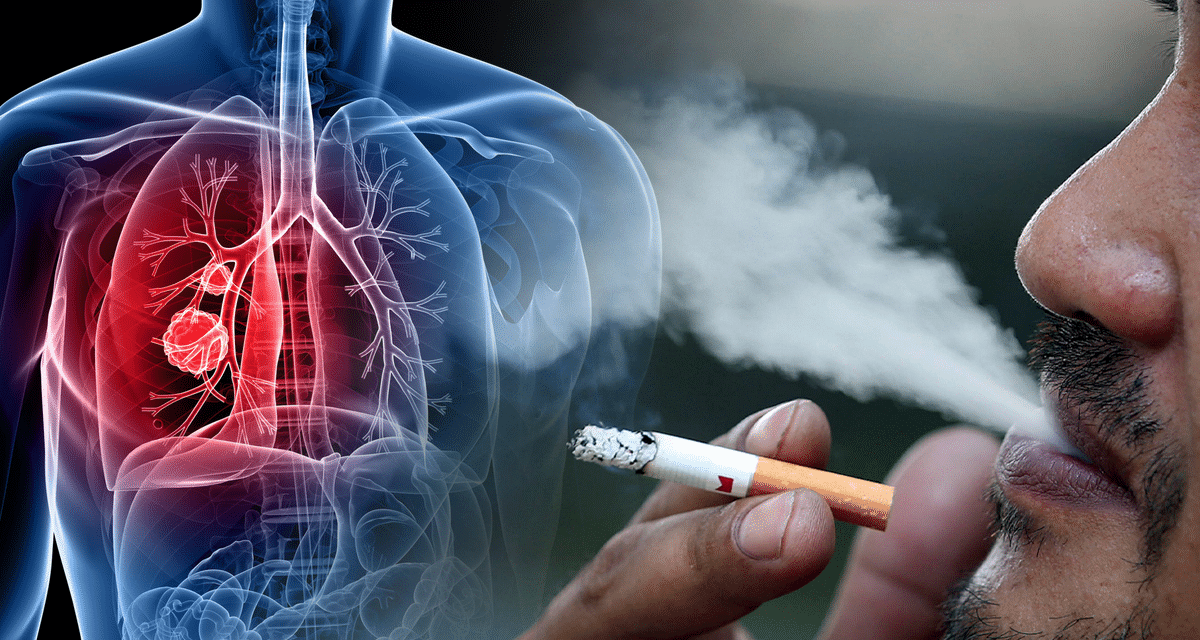
Lung cancer begins when abnormal cells multiply out of control and damage healthy lung tissues. It can spread to other parts of the body and prevent organs from working properly.
There are two main types of lung cancer and they grow and spread in different ways.
1. Non-small cell lung cancer – It is the most common type of lung cancer.
2. Small cell lung cancer – It grows more rapidly and is more difficult to treat than non-small cell lung cancer.
What are the Signs and Symptoms of Lung Cancer?
Lung cancer does not usually show signs during its early stages. This is why many Filipinos don’t find out that they have lung cancer until it’s a little too late. Our lungs have very few pain receptors, which can make it difficult to tell the source of your pain or discomfort. In addition, lung function usually remains unaffected despite the presence of small tumors, contributing to the silent nature of lung cancer.
When symptoms do show, they may include:
- A persistent cough that gets worse over time
- Shortness of breath or difficulty breathing
- Pain or discomfort in the chest area
- Wheezing
- Coughing up blood
- Abnormal change in voice (hoarseness)
- Lack of appetite
- Unexplained weight loss
- Unexplained fatigue
- Shoulder pain
- Ongoing back pain
- Persistent bone pain
- Recurrent infections (e.g., pneumonia or bronchitis)
- Swelling of your face, neck, arms, or upper chest
- Small pupil and drooping eyelid in one eye
Many symptoms of lung cancer can be caused by other illnesses. If you’re experiencing any or a combination of these symptoms, it’s recommended that you see a healthcare provider to determine its cause.
What Causes Lung Cancer?
According to the Mayo Clinic, in healthy cells, the DNA instructs the cells to grow and multiply at a set rate. The DNA also instructs the cells when to die. However, in cancer cells, the DNA instructs them to multiply more quickly and continue living when healthy ones would normally die, causing too many cells. This can lead to the formation of a mass called a tumor, which can grow and harm healthy body tissues. Over time, the cancer cells can spread to other parts of the body.
Smoking and exposure to secondhand smoke are known to cause most lung cancers. But lung cancer can also affect people who have never smoked or been exposed to secondhand smoke.
What Are the Risk Factors of Lung Cancer?
Smoking any form of tobacco product is the number one risk factor for lung cancer. The Cleveland Clinic estimates that 80% of lung cancer deaths are linked to smoking.
Other risk factors include:
- Family history of lung cancer
- Exposure to secondhand tobacco smoke
- Exposure to harmful substances, like diesel exhaust, radon, uranium, asbestos, coal products, silica, and toxins in the air
- Previous radiation treatments to your chest
Is Vaping a Risk Factor For Lung Cancer?
Although e-cigarettes and vape products contain substances that may harm your lungs, more studies are needed to fully understand the short-term and long-term health effects of using these products, including whether they increase the risk of developing lung cancer.
Why Do Your Lungs Deserve Proper Care?
If you have a family history of lung cancer or have high risk factors, don’t ignore a cough that won’t go away or shortness of breath. If you have symptoms that concern you, don’t wait for them to worsen before you seek medical advice.
Visit the Care Center Clinic, a PhilHealth YAKAP-accredited clinic, to schedule a consultation with a primary care physician. Your doctor is likely to ask about your medical history, symptoms, smoking habits, and possible exposure to other risk factors. Depending on your initial assessment, your doctor may request blood tests and a chest X-ray or refer you to a specialist.
Additional tests may be needed to rule out or diagnose lung cancer, including:
- Imaging: PET/CT scan
- Biopsy
- Molecular testing
How is Lung Cancer Treated?
Any or a combination of the following treatments may be used to target cancer:
- Surgery
- Chemotherapy
- Radiation therapy
- Radiofrequency ablation(RFA)
- Targeted drug therapy
- Angiogenesis inhibitors
- Immunotherapy
- Tumor treating fields
What is the Prognosis of Lung Cancer?
If a tumor is caught early, a surgeon may be able to remove it. Your doctor may also recommend chemo or radiation therapy if traces of cancer remain.
If lung cancer is diagnosed in later stages, your doctor may focus on one type of treatment. But the treatment may be changed if the current one stops being effective.
According to WebMD, more than 65% of stage I lung cancer patients live for five years or more after diagnosis.
Bottomline
While smoking remains the biggest risk factor for lung cancer, it is not just a smoker’s disease. Studies have shown that non-smokers can develop it too. Family history of lung cancer and exposure to secondhand smoke, air pollution, and other environmental factors can also increase the risk.
If you have a high risk of lung cancer, don’t dismiss a persistent cough, shortness of breath, unusual fatigue, unexplained weight loss, and other signs. Schedule a consultation at the Care Center Clinic for an initial assessment and guidance on the next steps.
Frequently Asked Questions
1. Can non-smokers develop lung cancer?
Yes. Although smoking is the leading risk factor, people who have never smoked can still develop lung cancer. Exposure to secondhand smoke, air pollution, and chemicals may increase the risk.
2. What are the early warning signs of lung cancer?
Some people may not experience noticeable signs during the early stages. Common symptoms include a persistent or worsening cough, coughing up blood, shortness of breath, unexplained weight loss and fatigue, hoarseness or changes in your voice, and recurring respiratory infections.
3. Does smoking always lead to lung cancer?
No. Not everyone who smokes develops lung cancer.
4. Can vaping cause lung cancer?
More research is needed to establish the potential link between vaping and lung cancer.
5. How is lung cancer diagnosed?
Diagnosis usually begins with a doctor’s consultation and physical examination. Depending on your symptoms and risk factors, your doctor may recommend a blood test, chest X-ray, or other diagnostic procedures.