

Blood Cancer Awareness Month: Know the Signs of Leukemia
Some cancers can begin with ordinary symptoms that are easy to brush off. Leukemia is an example of a “silent killer” with early signs that may be mistaken for everyday health concerns. Filipino personalities like ‘Master Rapper’ Francis Magalona and vlogger Emman Nimedez both battled leukemia before they passed away.
This Blood Cancer Awareness Month, Care Center Clinic, the best one-stop clinic in the Philippines, is shining a light on leukemia and the importance of awareness. Staying informed can help you recognize the warning signs, seek medical advice when needed, and improve chances of recovery and survival.
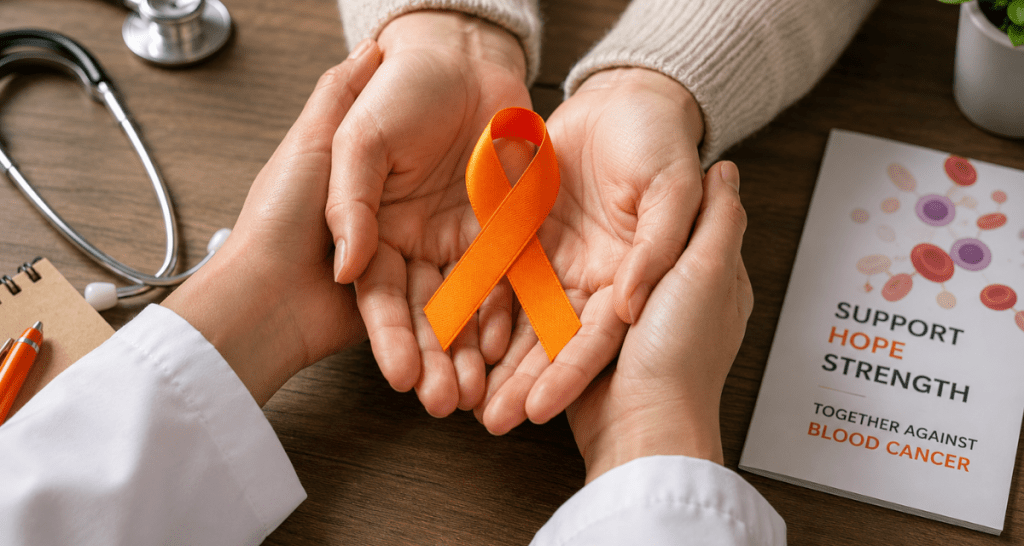
Understanding Leukemia
Leukemia is a type of cancer that originates in the blood or bone marrow. It occurs when damaged DNA causes blood cells (usually white blood cells) to grow uncontrollably in the bone marrow.
Healthy blood cells naturally die and make room for new cells in the bone marrow to replace the old ones. However, with leukemia, leukemia cells survive too long, multiply fast, and don’t work properly. Over time, these cells crowd out your bone marrow and bloodstream. This leaves no room for healthy blood cells and platelets to grow and protect your body.
There are different types of Leukemia:
- Acute lymphocytic leukemia
- Acute myelogenous leukemia
- Chronic and acute leukemias
- Chronic lymphocytic leukemia
- Chronic myeloid leukemia
- Hairy cell leukemia
- Lymphocytic and myelogenous leukemia
What are the symptoms of Leukemia?
Since Leukemia is a “silent killer,” recognizing early symptoms can make all the difference. Catching subtle warning signs early allows for faster diagnosis and far more effective treatment.
- Fever
- Nausea
- Bone pain
- Weight loss
- Frequent infections
- Easy and frequent bruising
- Low hemoglobin levels (Anemia)
Symptoms of leukemia vary according to its type; consulting a health professional is important to properly evaluate your symptoms and get the timely care you need.
How to diagnose Leukemia?
To diagnose leukemia, a doctor usually starts with a physical exam to check for warning signs like swelling, unexplained bruising, or frequent infections. While blood tests are the main way to detect leukemia, additional medical tests are often used to confirm the diagnosis.
Key diagnostic tests include:
- Blood tests
- Flow cytometry
- Biopsy
- Imaging tests
- Pulmonary function tests
- Lumbar puncture
Doing these tests ensures an accurate diagnosis, allowing doctors to determine the stage of the disease and give you the best possible care.
Treatment for Leukemia
Doctors will determine the right treatment according to its type and stage. Common treatment for leukemia includes Chemotherapy, Stem cell transplant, Radiation therapy, and surgery. Because treatment plans are tailored to each individual, getting an accurate diagnosis early is important. The sooner treatment begins, the higher the chances of effectively managing the disease and recovery. Care Center Clinic has some of the best oncologists in the Philippines who can evaluate your diagnostic results, guide you through personalized treatment options, and support you every step of your recovery journey.
Bottomline
Leukemia’s subtle warning signs are easy to ignore, but catching them early and taking timely action is your best defense. From essential blood tests and imaging to expert consultations with trusted oncologists, visiting Care Center Clinic, the best one-stop clinic in the Philippines, makes getting checked easy and accessible. If you have a family history of leukemia, it’s best to schedule a checkup and take control of your blood health.
Frequently Asked Questions (FAQs)
1. What are the most common early warning signs of leukemia?
Early warning signs include fever, nausea, bone pain, unexplained weight loss, frequent infections, easy bruising, and signs of anemia.
2. How is leukemia diagnosed?
Diagnosis usually begins with a physical exam and a blood test, such as a Complete Blood Count (CBC). Depending on the results, doctors may perform additional tests like bone marrow biopsies, flow cytometry, imaging tests, pulmonary function tests, or a lumbar puncture to confirm the diagnosis and check the disease stage.
3. What leukemia screening services are available at the Care Center Clinic?
Care Center Clinic provides accessible diagnostic services including Complete Blood Count (CBC), digital imaging, laboratory testing, and specialist consultations with doctors.
4. Why is leukemia referred to as a “silent killer”?
Leukemia is often called a silent killer because its early symptoms such as, fever, nausea, bone pain, and easy bruising, are subtle and easily mistaken for common, everyday illnesses.
5. What are the recommended treatments for leukemia?
Common treatment for leukemia includes Chemotherapy, Stem cell transplant, Radiation therapy, and surgery. A health professional will determine the appropriate treatment according to its type and stage.