

Is Social Media Affecting Your Child's Mental Health? What Filipino Parents Should Know
There was a time when children couldn’t wait for the school bell to ring, not to check their phones, but to run outside and play. Recess meant going to the playground, taking turns on the swings, see-saw, and monkey bars. Others would gather in a corner to play jackstones or simple paper-and-pencil games like Hangman, Tic-Tac-Toe, and FLAMES. Weekends were spent riding bicycles and playing outdoor games like taguan, patintero, and agawan base until the sun went down. On rainy days, kids would enjoy indoor games like lutu-lutuan, bahay-bahayan, and board games. These fun analog playtime moments helped children stay active, develop creativity, build friendships, and create memories.
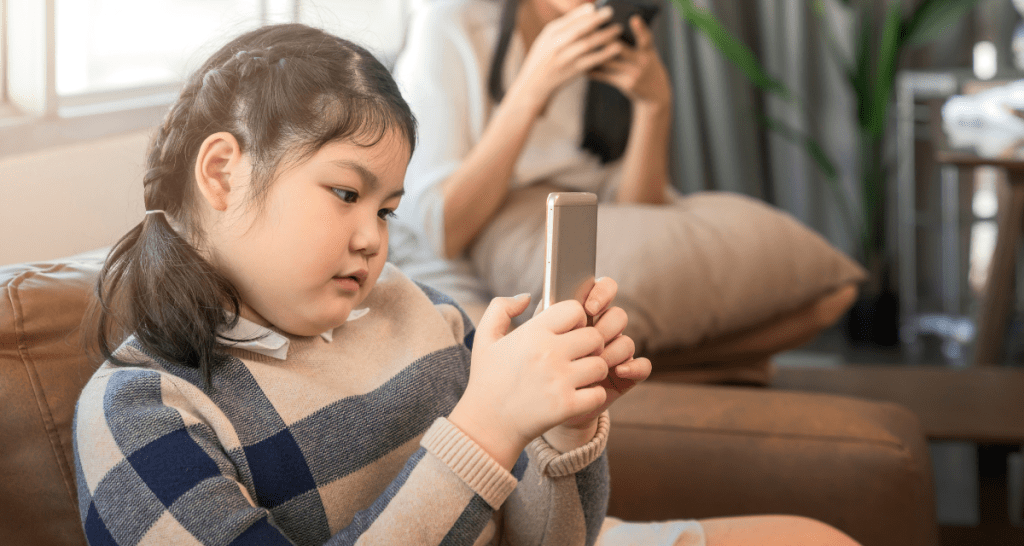
Today’s childhood looks very different. Rather than playing side by side, children nowadays live in a digital world. They prefer to play online games, watch movies on streaming apps, browse on social media platforms, and interact on messaging apps. Face-to-face activities have been replaced by virtual interactions, raising concerns about their effects on children’s mental development.
Social Media Addiction and Its Effects on Children
Social media can be a place to learn new things, build social connections, and express oneself. While these platforms offer many opportunities, they also come with significant risks that can affect a child’s mental health.
Social media addiction is the compulsive and excessive scrolling through posts, images, and videos.
As social media becomes increasingly part of everyday life, more young people are spending hours online each day. In the Philippines, a UNICEF study reveals that six in every ten Filipino children aged 10 to 17 actively use the internet, exposing them to the following potential dangers:
- Cyberbullying – A study on junior high school Filipino students reveals that cyberbullying is more harmful than other forms of bullying. Hurtful/humiliating posts, harassing messages, and derogatory comments can quickly spread to countless people online, making it harder for victims to escape the abuse. Other studies link cyberbullying to anxiety, loneliness, depression, and suicidal behavior.
- Body dissatisfaction – Exposure to digitally enhanced or heavily filtered photos online can set unrealistic beauty standards, which can lead to body dissatisfaction. According to the Cleveland Clinic, body dissatisfaction can cause distress, low self-esteem, and eating disorders.
- Social Comparison and Fear of Missing Out (FOMO) – Frequent exposure to carefully curated photos of seemingly perfect lifestyles can easily encourage unhealthy social comparisons. This has been linked to low self-esteem and unhappiness.
- Online predators – There are people on social media who victimize children and teens. They may trick young people to sexually exploit them, extort them for money, or sell them illegal drugs.
- Dangerous viral trends – Things like TikTok health hacks can be inaccurate and misleading. It could lead to delayed treatment, allergic reactions, poisoning, or serious health problems.
- Sleep disturbance – Exposure to blue light and overstimulating content can delay bedtime and disrupt sleeping behavior.
- Compulsive use patterns – According to the Philippine Pediatric Society (PPS), social media platforms are designed to be addictive, increasing the risk of children being exposed to unsafe online interactions.
- Exposure to violent and dangerous content – Young kids who use social media without adult supervision may be exposed to violent and inappropriate content.
If you’re concerned that social media addiction is affecting your child’s mental health, don’t hesitate to seek professional help. Visit the Care Center Clinic, the best one-stop clinic in the Philippines. We have the best psychologists in the Philippines, who can help young individuals navigate the challenges of the digital world and develop healthy coping skills.
Ways to Help Children Disconnect from Social Media for Better Mental Health
- Keep minors off social media – The Philippine Society for Developmental and Behavioral Pediatrics (PSDBP) and the Philippine Pediatric Society (PPS) do not recommend social media use for children 16 years and below because it may pose risks to their mental health and development. If it cannot be avoided, children should be closely supervised and given boundaries during use.
- Set tech-free zones in your home – Promote real-time connections with your family by establishing device-free areas such as the living room, dining room, and bedrooms. Keeping gadgets out of the bedroom can also promote better sleep.
- Encourage screen-free play – Teach your kids the joy of analog activities such as reading books, doing arts and crafts, playing board games, and engaging in traditional Filipino street games.
- Spend time outdoors – According to Healthline, spending at least two hours per week in nature can do wonders for your physical and mental health. It can boost immune function, refresh the mind, lower stress, ease depression, and improve sleep.
- Teach kids life skills through fun activities – Give kids an opportunity to help you prepare simple meals, bake desserts, wash the dishes, clean the house, or do the gardening. These simple daily tasks can teach kids practical life skills better than any app can.
Bottomline
Social media has become a daily part of life, and when used responsibly, it can be a valuable tool for learning, creativity, and self-expression. However, health organizations advise parents and guardians to delay social media use for younger children until they are old enough to understand the online risks and how to navigate platforms responsibly. If the use of digital platforms cannot be totally avoided, closely supervise young children to protect them from potential dangers of social media addiction.
FREQUENTLY ASKED QUESTIONS
1. How does social media addiction affect the mental health of children?
Social media can help children learn new things and express themselves, but excessive and unsupervised use has potential risks such as cyberbullying, body dissatisfaction, social comparison, anxiety, and more.
2. What is social media addiction?
It refers to compulsive and excessive use of social media.
3. What is Fear of Missing Out (FOMO)?
It is the feeling that others are having more fun or living a better life than you. It can cause dissatisfaction, low self-esteem, anxiety, and loneliness.
4. Should young children use social media?
Health organizations recommend delaying social media use for children 16 years and younger until they are mature enough to understand online risks and navigate social media responsibly.
5. How can you help your kids disconnect from social media?
Create screen-free times and spaces, encourage offline activities, and spend more time outdoors.