

Measles in the Philippines: Why Vaccination is Crucial
Measles remains a serious public health concern in the Philippines, especially among young children who are unvaccinated or have missed routine immunizations. While the country has made progress in strengthening its immunization programs, periodic spikes continue to occur, often linked to gaps in vaccine coverage, delayed vaccinations, or misinformation about safety.
What is Measles
According to the Philippine Council for Health Research and Development (PCHRD), measles, locally known as tigdas, is a highly contagious viral disease that mainly affects young children. Children, 10 years old and below, are susceptible to measles, but adults can get it too. It spreads easily through the air when an infected person coughs, sneezes, or even talks, as well as through contact with fluids from the nose or mouth.
What are the Common Signs and Symptoms
Symptoms typically develop about 7–14 days after a person is exposed. It often starts with fever, cough, runny nose, sore throat, and red, watery eyes. A few days later, small white spots may appear inside the mouth.
Soon after, a red rash spreads from the face down to the neck, arms, legs, and feet. At this stage, fever can rise sharply, sometimes reaching dangerously high levels.
Why Should Measles Not Be Taken Lightly
PCHRD stresses that measles is not a mild childhood illness. It can cause serious complications, particularly in children under five. These include ear infections, diarrhea, pneumonia, brain inflammation (encephalitis), and other potentially life-threatening conditions.
How Is Measles Treated
There is no specific medicine that cures measles. Treatment focuses on relieving symptoms while the body fights off the virus. This includes rest, drinking plenty of fluids, and taking medication to reduce fever and body aches. Antibiotics are not effective because measles is caused by a virus. Medical attention is important if symptoms worsen or complications are suspected.
How Can Measles Be Prevented
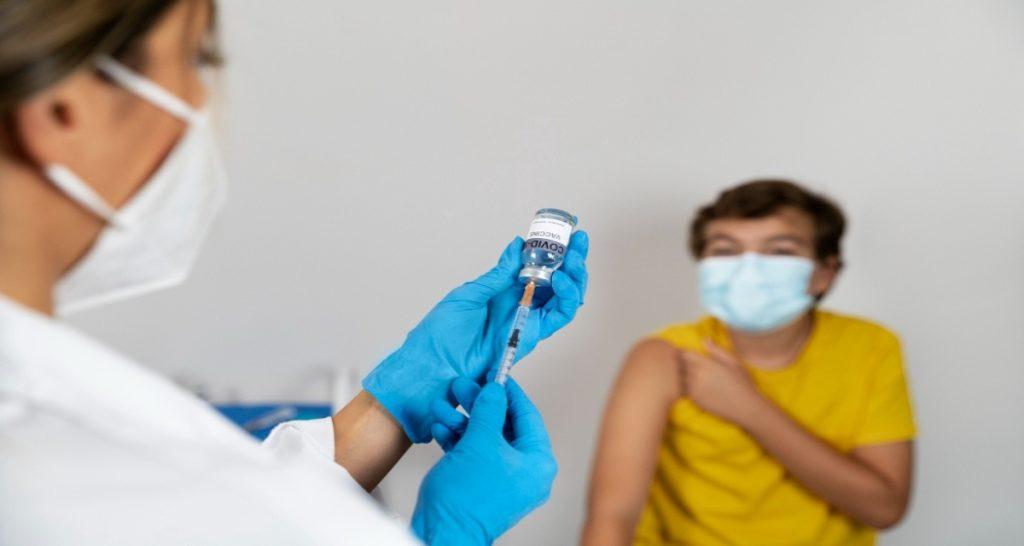
PCHRD supports routine childhood immunization and catch-up vaccinations for those who missed their doses. Vaccination not only protects individuals but also helps prevent outbreaks and protects the community as a whole.
The MMR vaccine, which protects against measles, mumps, and rubella, is the recommended immunization for children and susceptible adults. The typical schedule is:
- First dose: 12-15 months
- Second dose: 4-6 years old
Measles prevention also involves everyday habits that reduce the spread of infection. Limiting exposure to crowded places during outbreaks, keeping living spaces well-ventilated, and covering the mouth and nose when coughing or sneezing can lower the risk of transmission. Parents are encouraged to monitor children closely for early symptoms and keep them at home if they feel unwell. Supporting overall health through a nutritious diet, adequate rest, and regular checkups help strengthen the body’s resistance to illness.
Parents are encouraged to talk to their pediatrician about their child’s vaccination schedule, especially if any doses were missed. A pediatrician at the Care Center Clinic can explain the benefits of measles vaccination, address concerns, and help ensure children receive timely and complete immunization. With guidance from your pediatrician and proper vaccination, measles can be prevented.
Bottom Line
Measles is highly contagious and can lead to serious health complications, but it is preventable through timely vaccination and healthy daily practices. Early consultation with a pediatrician ensures children are protected, and communities remain safe from outbreaks.
FREQUENTLY ASKED QUESTIONS
1. At what age should a child receive the measles vaccine?
The first dose of MMR is usually given at 12-15 months, and the second dose is recommended at 4-6 years old by health authorities.
2. Can adults get a measles vaccination?
Yes. Adults who have never had measles or have not received the vaccine should consult their doctor for vaccination.
3. Is the measles vaccine safe?
Yes. The measles vaccine is safe and effective. Most side effects are generally mild and may include a low-grade fever or some tenderness where the shot was given.
4. What should I do if my child shows measles symptoms?
Keep them at home, avoid contact with others, give them plenty of fluids, and allow them to rest. Contact a doctor immediately, preferably before visiting the clinic.
5. Can measles be prevented without vaccination?
While hygiene and avoiding exposure can reduce risk, vaccination is the most reliable way to prevent measles and its complications.