

Pneumonia in the Philippines: Why It's Worth Taking Seriously
Akala mo simpleng ubo lang? A persistent cough that does not improve with cough medicine, especially if it lasts longer than two weeks, may be more serious than you think. It could be pneumonia.
In the Philippines, Pneumonia ranked as the fourth leading cause of death during the first two quarters of 2025, claiming 18,365 lives. Yet many Filipinos still dismiss its early symptoms as an ordinary cough or flu.
According to the Care Center Clinic, the best one-stop clinic in the Philippines, pneumonia is preventable and treatable through vaccination, early consultation, and timely treatment. Learning how to recognize the warning signs, understand who is most at risk, and know when to seek medical care can help save lives.
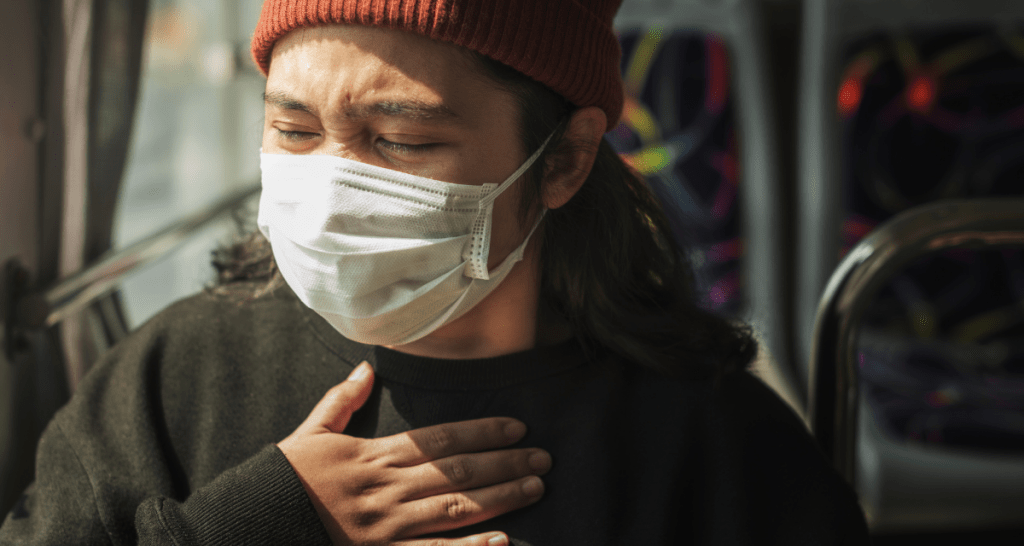
What Is Pneumonia?
Pneumonia is a lung infection that causes the air sacs in the lungs to be filled with fluid or pus, preventing the lungs from working properly. Common causes of pneumonia are bacteria and viruses. Although less common, fungi and parasites can also cause pneumonia.
What Are the Symptoms of Pneumonia?
Pneumonia often starts with symptoms similar to a cold or flu, making it easy to brush off. This is why many Filipinos don’t take the symptoms seriously and delay seeing a doctor. While some cases range from mild to moderate, others can become life-threatening, particularly in high-risk individuals.
Signs and symptoms of pneumonia may include:
- Lingering cough, usually with phlegm
- Fever, sweating, and chills
- Chest pain when breathing or coughing
- Shortness of breath
- Nausea, vomiting
- Diarrhea
- A lower-than-normal body temperature, especially in older adults or people with weakened immune systems
- Loss of appetite in older adults
- Confusion or changes in alertness, particularly among seniors
What Are the Complications of Pneumonia?
Infectious disease specialist, Dr. Rontgene Solante, said that many Filipinos only consult a doctor when symptoms are already severe. He added that delaying consultations can increase the risk of complications, including:
- Irregular heartbeat
- Respiratory failure
- Lung abscesses
- Lung failure
- Bacteria in the blood
- Sepsis
- Kidney failure
Is Pneumonia Contagious?
According to the American Lung Association, pneumonia itself is not contagious. However, the germs that cause it can spread from person to person, often through respiratory droplets into the air.
If you’re caring for someone who has pneumonia, you can protect yourself from getting infected by wearing a high-quality facemask, washing your hands regularly, and disinfecting surfaces often touched by the patient. If possible, improve the ventilation by opening windows, using an exhaust fan, or running a HEPA air purifier.
When To See a Doctor?
It’s important to see a doctor if you are experiencing difficulty breathing, chest pain, fever (39°C or higher), or a persistent cough. People who are at higher risk of developing severe pneumonia are highly recommended to seek medical care when symptoms appear. This includes infants, young children, seniors aged 65 and older, and people with weakened immune systems and chronic medical conditions.
Bottomline
Pneumonia is a serious lung infection that can become life-threatening without timely diagnosis and treatment. Knowing the warning signs, getting vaccinated, and seeking medical care can help prevent complications and support a faster recovery.
If you have a lingering cough, high fever, chest pain, or difficulty breathing, don’t wait for your symptoms to get worse. Visit the Care Center Clinic, a PhilHealth YAKAP-accredited clinic, and consult a primary care doctor. Our clinic is equipped with laboratory and diagnostic services so you can get a proper diagnosis and receive the right treatment.
FREQUENTLY ASKED QUESTIONS
1. What is pneumonia?
Pneumonia is a lung infection that causes the air sacs in the lungs to fill with fluid or pus. Common symptoms include a cough with phlegm or pus, fever, chills, chest pain, and difficulty breathing.
2. How do I know if my cough is pneumonia?
If your cough persists or is accompanied by a high fever, chills, and chest pain, it’s important to see a doctor for a proper diagnosis.
3. Who is most at risk of pneumonia?
Anyone can develop pneumonia, but the risk of severe illness is higher among infants, young children, adults aged 65 and older, people with chronic medical conditions, and those with weakened immune systems.
4. Can pneumonia be prevented?
Yes. You can lower your risk by getting vaccinated, washing your hands regularly, avoiding smoking, maintaining a healthy lifestyle, and seeking medical care if you observe symptoms.
5. When should I see a doctor?
Seek medical care if you have difficulty breathing, chest pain, high fever (39°C or higher), or a persistent cough with phlegm or pus.