

Unhealthy Air and Floodwaters: Double Health Threat
As if widespread flooding and rising leptospirosis cases weren’t enough, Filipinos are now dealing with air pollution as haze from Indonesia’s forest fires reaches the country.
Flooding and air pollution both bring serious risks, a stark reminder that environmental hazards can affect our health in more ways than one.
At the Care Center Clinic, your best one-stop clinic in the Philippines, we’re here to help you manage health concerns that may arise from exposure to air pollution and floodwaters.
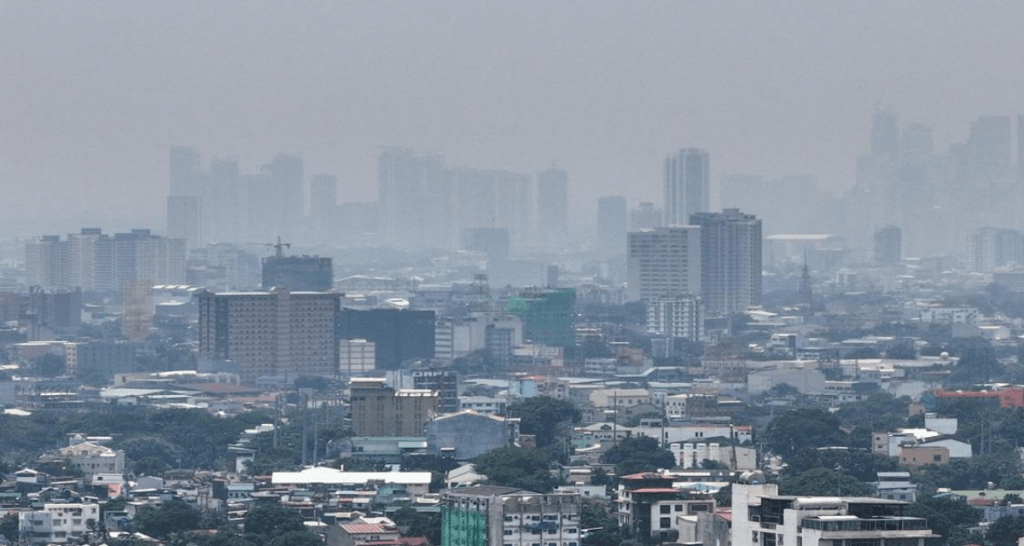
Haze and Its Impact on Your Health
On August 31, 2026, smoke from the Indonesia forest-fire reached the Philippines, blanketing Metro Manila and several provinces in haze. Although torrential rains have eased in most parts of the country, the sun remains hidden behind the thick haze.
Dr. Gerry Bagtasa, an atmospheric physicist and professor of meteorology at the UP Institute of Environmental Science and Meteorology, said the hazy conditions could last for several days.
How Does Haze Affect Health?
Haze particles can give rise to the following symptoms:
- Cough
- Sore Throat
- Shortness of breath
- Itchy Eyes
- Watery Eyes
- Nasal Irritation
- Wheezing
- Feeling of Tiredness and Weakness
Children, the elderly, and people with pre-existing heart or lung conditions (e.g., asthma, COPD) are often more vulnerable to unhealthy air. Exposure to haze and other forms of air pollution could aggravate symptoms.
How to Protect Yourself and Your Family From the Dangers of Haze?
While you may not be able to avoid haze completely, the Department of Health (DOH) recommends the following simple steps to reduce your exposure and protect your health:
- Limit outdoor activities, especially for high-risk groups.
- Avoid strenuous physical outdoor activities.
- Wear a well-fitting mask, such as an N95, when going outdoors.
- Keep windows and doors closed to prevent polluted air from entering your home.
- Seal gaps around windows and doors with a damp cloth, particularly when haze levels are high.
- Use an air purifier, if available.
- Stay hydrated and monitor official air-quality advisories.
When to See a Doctor
Most mild symptoms, such as coughing, watery eyes, and nasal and throat irritation, usually improve after reducing exposure to air pollution. However, it is advisable to see a doctor immediately if you develop breathing difficulties or more severe or prolonged symptoms.
Widespread Flooding and Rise of Leptospirosis
The relentless rains in August 2026 brought by typhoons and the enhanced southwest monsoon (habagat) resulted in widespread flooding in Metro Manila and several areas in Central Luzon. Exposure to floods has resulted in a rise in leptospirosis cases. In fact, the emergency rooms in several government hospitals in Manila have pushed beyond their capacity.
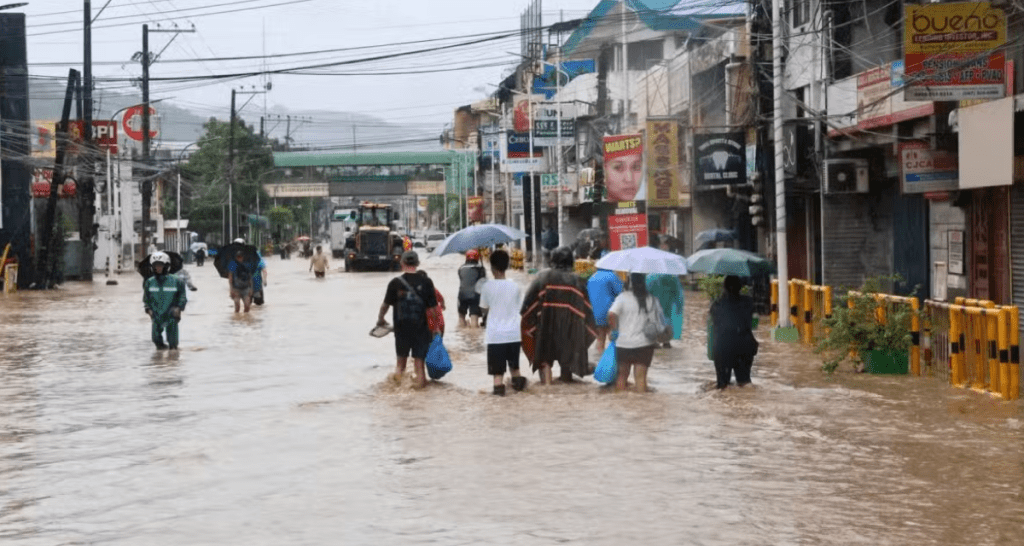
How Does Exposure to Floodwaters Affect Health?
Floodwaters are filthy and potentially dangerous. They may contain sewage, garbage, and animal waste, while also hiding sharp objects, open manholes, or even live electrical wires. But dangers are not limited to what the eye can see. Contaminated waters may carry harmful bacteria and increase your risk of infections like leptospirosis.
According to WebMD, leptospirosis is a bacterial infection that you can get from the urine of infected animals, such as rats, that get into soil and water. Wading in floodwaters increases the risk of getting leptospirosis, especially when you have open wounds.
Symptoms of leptospirosis may vary from person to person, but others may have no signs. When symptoms do occur, they may include headache, fever, muscle ache, diarrhea, vomiting, skin rash, and jaundice, typically appearing five to 14 days after exposure to floodwaters. Without proper treatment, people with leptospirosis may suffer organ damage or failure (e.g., kidney and liver), acute respiratory distress syndrome (ARDS), respiratory failure, and meningitis.
The safest way to avoid the risks of flooding is to stay out of floodwater whenever possible. If exposure is unavoidable, take precautions to protect yourself from injuries and infections:
- Avoid exposure to floodwater if possible.
- If exposure is unavoidable, cover open wounds with waterproof bandages, and wear boots and protective clothing.
- Take a bath or shower with clean water and soap right after exposure to floodwater.
When to See a Doctor
The Department of Health (DOH) urges Filipinos who have been exposed to flood waters to seek medical consultation within 72 hours, instead of waiting for symptoms to appear. Discuss prophylactic medication, such as doxycycline with your doctor. It is important that you do not self-medicate without getting clearance from a physician.
Bottomline
Haze and floodwaters can pose serious health risks and the best form of protection is to limit your exposure. When there’s haze, stay indoors if you can. If you need to go outside, wear a well-fitting mask, such as an N95. When exposure to floodwaters is unavoidable, wear boots and protective clothing, then wash or shower thoroughly with clean water and soap afterward.
If you’ve been exposed to floodwaters or your symptoms from poor air quality persist or worsen, consult a doctor. Care Center Clinic, the best primary healthcare provider Philippines, is ready to help you and your family with your health concerns.
Frequently Asked Questions (FAQs)
1. Can haze make me sick?
Yes. Exposure to haze can cause coughing, sore throat, wheezing, shortness of breath, and fatigue. People with existing heart or lung conditions may experience worsening symptoms.
2. Who is most vulnerable to the effects of haze?
Children, older adults, and people with pre-existing heart or lung conditions, such as asthma and COPD, may be more vulnerable to the effects of haze.
3. How can I protect myself from haze?
Limit time outdoors, avoid strenuous outdoor activities, keep doors and windows closed, and wear a well-fitting N95 mask when going outside. Monitor official air-quality advisories and use an air purifier if available.
4. Can you get leptospirosis from walking through floodwater even without an open wound?
Yes. You can still get leptospirosis if you wade in floodwater without any cuts or open wounds.
5. What should I do after being exposed to floodwater?
Wash or shower thoroughly with clean water and soap as soon as possible. If you have been exposed to floodwater, consult a healthcare professional.