

Why Pancreatic Cancer is Hard to Detect and What You Can Do
Pancreatic Cancer belongs to the top six deadliest cancers worldwide. According to the World Pancreatic Cancer Coalition (WPCC), only about 12% of patients survive more that five years after diagnosis.
In the Philippines alone, more than 153,000 diagnosed cases and 92,600 deaths were reported in 2020. The WPCC estimates that in 2025, approximately 470,000 people across the globe could lose their lives to this disease.
Every November, in observance of Pancreatic Cancer Month, nations join forces to raise awareness about this silent killer.
At the Care Center Clinic, we encourage everyone to stay informed, understand the risks, and prioritize regular check-ups.

What is Pancreatic Cancer ?
The Pancreas is organ located behind the lower part of the abdomen. It helps digest food and manage blood sugar by producing enzymes and hormones responsible for these functions.
According to the Pancreatic Cancer Action Network (PCAN), cells in the pancreas normally divide to create a new cells when the body needs them. Once the old cells die, they are replaced by the new cells. However, when the process is disrupted, new cells rapidly form, even when they are not needed. The excess cells may develop into a tumor. Cancerous tumors (malignant) grow out of control and can invade other tissues and organs.
The most common type of pancreatic cancer starts in the ducts of the pancreas that carry digestive juices out of the organ.
What are the Risk Factors?
Up to this day, doctors still don’t know the exact cause of pancreatic cancer. However, they have identified certain habits, health conditions, and family history that can increase the chances of developing this disease. Being aware of the risk factors can help you make choices to safeguard your health.
- Smoking
- Obesity
- Type 2 diabetes
- Swelling of the pancreas
- Family history of pancreatic cancer
- Inherited genetic changes
- Older age (risk increases after 65 years old)
- High alcohol intake
Why is it difficult to Detect Early and Treat?
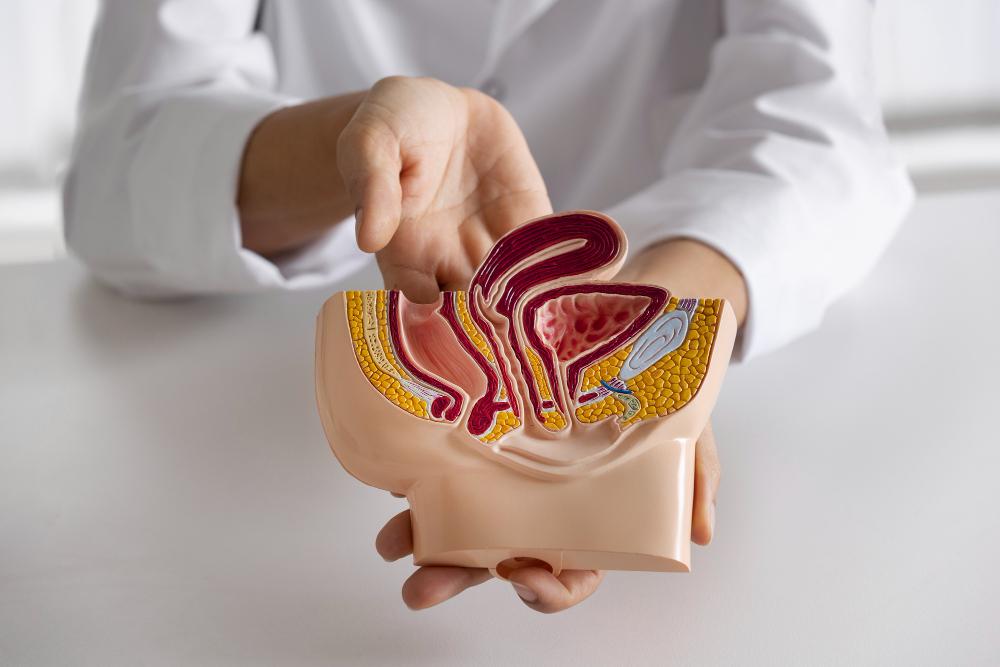
- Since the pancreas is found deep within the abdomen, there are no visible lumps or easily felt growths to warn you
- The symptoms of pancreatic cancer are not noticeable at its early stage and often develop overtime
- According to PCAN, most cases of pancreatic cancers are diagnosed at Stage 4. At this point, the cancer has likely spread to other organs.
- Surgery has the highest potential for controlling this type of cancer. However, because the disease is often diagnosed at an advanced stage, many patients are no longer candidates for this treatment.
What are the Signs and Symptoms?
The Mayo Clinic notes that pancreatic cancer often remains silent in its early stages, so many people don’t observe any symptoms until the disease has progressed. When signs do appear they may include:
- Stomach pain or back pain
- Lack of appetite
- Unexplained weight loss
- Yellowing of the skin and eyes (jaundice)
- Pale or floating stools
- Dark-colored urine
- Itching
- Diabetes (new diagnosis or long-standing condition)
- Swelling or pain in an arm or leg
- Unusual tiredness or weakness
If you are experiencing any or a combination of these symptoms, schedule a checkup at the nearest Care Center Clinic, a Philhealth YAKAP-accredited medical clinic.
How is it diagnosed?
There’s currently no standard diagnostic tool that can reliably catch pancreatic cancer early. However, certain tests or procedures can help spot the disease sooner in people who are considered high-risk.
Your doctor will assess your situation and decide which tests are appropriate-or if testing is needed at all. For fast and reliable clinical laboratory services in Metro Manila you can count on the Care Center Clinic.
- Blood tests
- Imaging scans: Ultrasound, CT scans, MRI scans
- Endoscopic ultrasound
- Biopsy
- Genetic Testing
Final Thought
Pancreatic cancer is often called a silent killer because it usually doesn’t show symptoms in its early stages. This makes early detection very challenging. If you’re at higher risk due to family history, existing health conditions, or certain lifestyle factors, don’t wait for signs to appear-make a doctor’s appointment at the Care Center Clinic to know whether you need regular monitoring or testing.